TRADITIONAL DECORATIONS Manyo
TRADITIONAL DECORATIONS Manyo
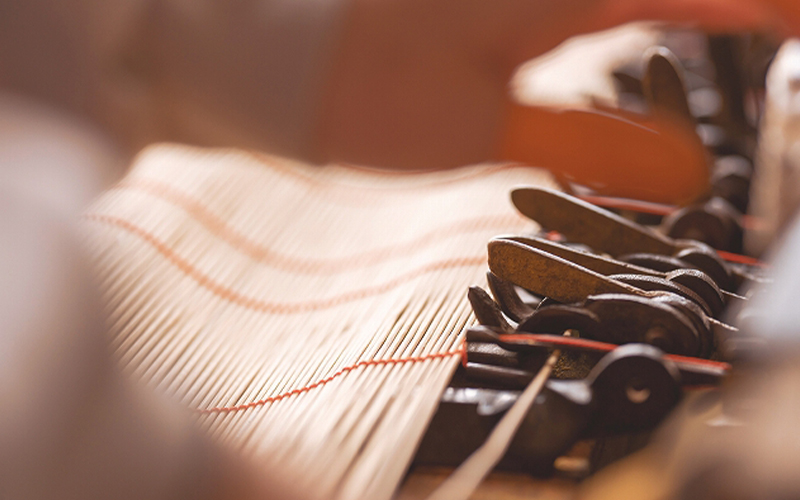
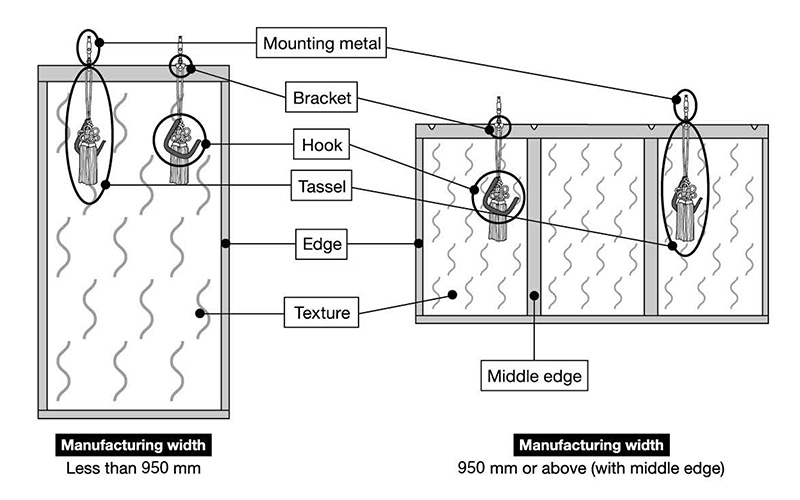
For the SHIKADA WOVEN products made by artisans manually matching the Bamboo Node of each thin bamboo strip and weaving it using a foot loom, decorations such as edges, metallic fittings and tassels can be added in customized design of materials made with traditional techniques (Bamboo Node design).
Our Heritage & Spatial Philosophy
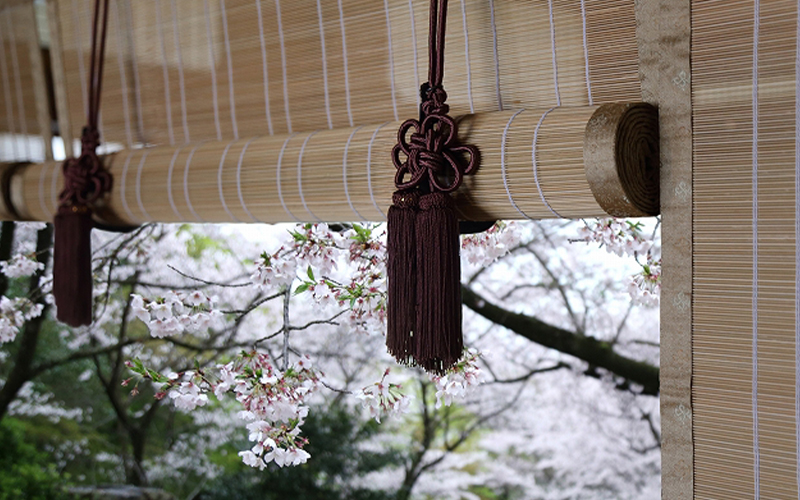
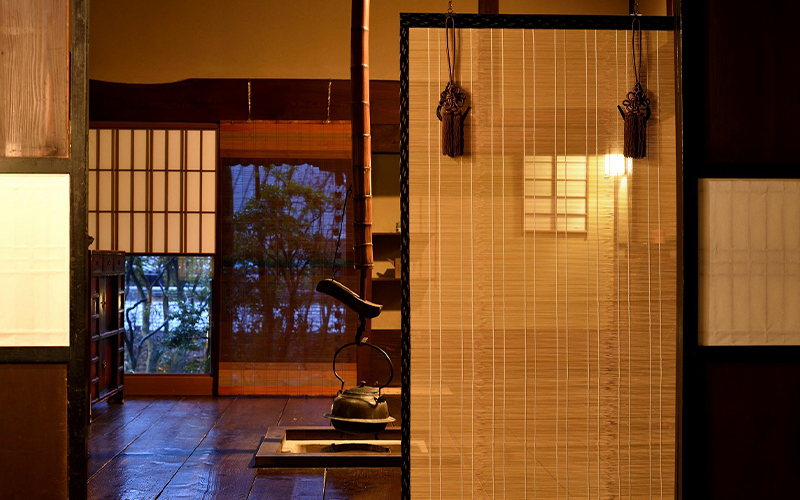
Symbiosis with Nature and History
Ever evolving while remaining true to our core, now and into the future. Shikada Sangyo reveres the “Wind of Nature”—the boundless and diverse transformations of the natural world. Japan is a country blessed with abundant nature, where we have cherished even the wild grasses and insects in the field as symbols of the changing seasons. Rather than isolating ourselves from nature, we have enjoyed a life in harmony with it by opening our homes to the outdoors. Here lies a culture that reveres the cycle of the four seasons and the beauty of passing time, praising the leisurely flow of wind and water in poetry. In this way, the wisdom of living with nature is deeply woven into Japanese life.
Since our founding in 1912, we have continuously crafted Yame Sudare, including the highest quality bamboo blinds known as Misu, traditionally used in Shinto shrines and Buddhist temples. Passing down the traditional techniques of master craftsmen working with natural bamboo across generations, this very skill and spirit shape who we are today. The tradition of Yame Sudare begins with carefully selecting premium bamboo, cutting it into thin strips, and meticulously weaving them piece by piece. Through this process, we pay homage to our founder’s passion and the wealth of our accumulated history.
The Spatial Experience Brought by Sudare
The Japanese people have always cherished the subtle changes of the seasons. We do not separate nature from our lives; rather, we invite it into our daily routines, enjoying the air, the wind, the scents, and the sounds of nature. Yame Sudare plays a co-starring role in this experience, becoming an ever more irreplaceable part of your family’s life as the years go by.
Yame Sudare is an art of light and shadow, of line and surface. When hung under eaves or inside windows, it gently intercepts the line of sight and harsh sunlight, while allowing the natural wind, scents, and sounds to filter comfortably through the woven bamboo spaces. It delivers the splendor of each season and the subtle signs of the changing times ahead. It grants a comforting sensation akin to standing in a serene forest, bathed in sunlight filtering through the trees. It separates yet connects, obstructs yet embraces. Simply by rolling the Yame Sudare up or down, one can seamlessly unify the interior and exterior spaces or divide them at will. Yame Sudare is an elegant furnishing designed to welcome the nature of the four seasons. It imparts the profound joy of living not only in traditional Japanese homes but also within Western architecture and modern residences across the globe.
Shitsurai: The Ultimate Aesthetics of Hospitality
Since ancient times, Japan has cultivated a unique aesthetic and spatial philosophy of hospitality known as Shitsurai. It is the refined art of curating a space using carefully selected natural materials—purifying the environment to welcome guests with profound sincerity and grace.
Over 1,200 years ago, during the Heian period, aristocrats expressed their deepest respect for their guests by meticulously selecting furnishings that reflected the subtle transitions of the seasons for banquets and celebrations.
Central to this spatial curation were bamboo blinds (sudare). In the Shinto belief of animism—where deities reside in all things in nature—bamboo, with its pure and uncompromisingly straight growth, has long been revered as a sacred material. A single layer of bamboo blind created a pure sanctuary beyond it, functioning as a kekkai—a sacred boundary that elegantly separates the mundane from the extraordinary. The highest tier of these interior blinds, known as Misu, was treasured as an exquisite architectural element. It delicately filters natural light and the human gaze, maintaining an atmosphere of absolute tranquility and refined elegance.
This profound philosophy of purifying space and honoring the guest is the foundation of our spatial brand, Shikada Shitsurai.
The ultimate embodiment of this enduring history and aesthetic is our flagship collection, the Yame Sudare “Manyo”. Hand-woven by master artisans in Yame, Fukuoka, who meticulously engage with every single strip of bamboo, its delicate tactile texture brings a dignified presence and a captivating, serene ambiance to contemporary architectural spaces.
Material types
| Product Number | 102 | 321 | 340WH | 340BR | 550SI | 550WI | 630A | 600A | 600B | Roman shade |
|---|---|---|---|---|---|---|---|---|---|---|
| maximum width(mm) |
950 | 950 | 950 | 950 | 2400 | 2400 | 2400 | 2400 | 2400 | 2400 |
| maximum height(mm) |
2700 | 2700 | 2700 | 2700 | 2700 | 2700 | 2700 | 2700 | 2700 | 2700 |


Decoration types
Traditionally-produced material types
(Bamboo Node design)
Maximum width: 950 mm
102 Shin-Yahime
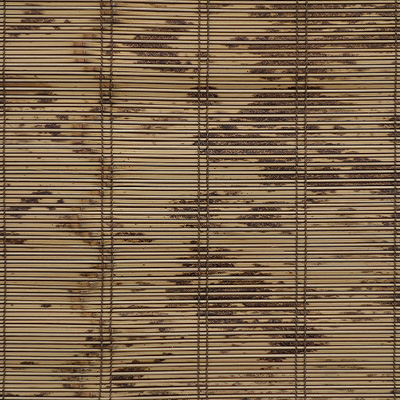
Materials:bamboo,weaving yarn:cotton(brown)
321 Shin-Hakubai
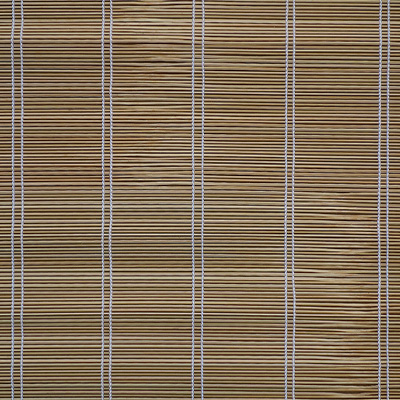
Material: Bamboo, Weaving thread: Cotton (white)
340BR Kikuka

Maximum width: 2400 mm
500Si IWAI


Materials: bamboo, weaving yarn: cotton (white)
500Wi IWAI


Materials: bamboo, weaving yarn: cotton (white)
Maximum width: 2400 mm
600A Shinbutsuzen


Materials: bamboo, weaving yarn: cotton (red)
600B Shinbutsuzen


Materials: bamboo, weaving yarn: cotton (red)

SHIKADA WOVEN
+
Traditional Decoration Option
+
Mechanism Option “KC”

Offer of commerce
For customers who wish to trade with us and order Shikada products